
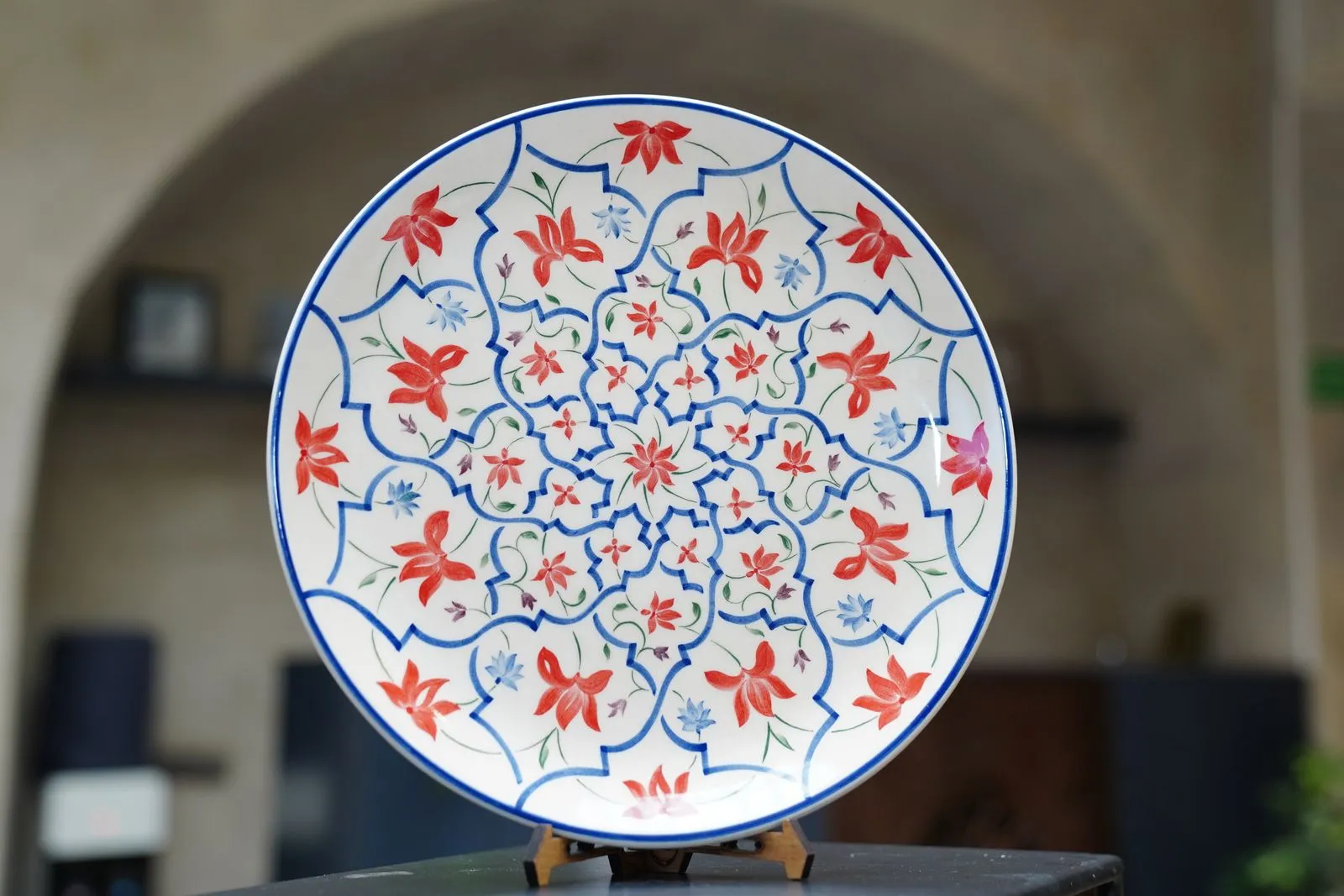
Handmade pottery is made to be used, not kept out of reach. A few thoughtful habits can help your favorite bowls, mugs, and plates handle everyday meals while preserving their finish. Care needs vary by clay body, glaze, and firing, so start with any instructions from the potter. When those details are not available, gentle washing, careful handling, and dry storage are practical defaults for keeping functional pottery in regular rotation.
Wash Gently and Promptly
For routine cleaning, wash pottery with warm water, dish soap, and a soft sponge or cloth. Rinse away food and soap, then dry the piece with a towel or let it air-dry fully. Avoid abrasive pads and harsh cleaners, which may dull a surface or leave scratches. If a piece has delicate decoration or an unglazed area, use extra care and follow the maker’s guidance.
Soak a dish with stuck-on food in warm, soapy water rather than scraping it with a knife or metal utensil. If residue remains, use a nonabrasive sponge. Clean pieces soon after use, especially after serving foods that can stain, such as tomato sauce or coffee. Don’t leave pottery sitting in water for long periods; prolonged soaking can be hard on some handmade pieces.
Use Appliances With Care
Do not assume every handmade piece is safe for the dishwasher, microwave, or oven. Ask the potter or check the care instructions before using an appliance. Even when a piece is labeled dishwasher-safe, handwashing can reduce the chance of chips caused by dishes knocking together. In a dishwasher, leave space around pottery and secure it so it cannot shift during the cycle.
Avoid sudden temperature changes. For example, don’t move a cold piece directly into a hot oven or pour boiling liquid into pottery straight from the refrigerator. Thermal shock can cause cracking. Use pottery only within the temperature limits provided by its maker, and let it warm gradually when appropriate. If you cannot confirm that a piece is oven-safe, keep it out of the oven.
Store Without Chips
Give pottery enough room in cabinets and drawers to prevent hard contact with other dishes. Stack only stable pieces, and place a soft cloth or protective separator between plates and bowls if their rims touch. Store heavier items on lower shelves where they are easier to lift safely. Keep handles and delicate edges from bearing the weight of other pieces.
Make sure pottery is completely dry before putting it away, particularly pieces with unglazed foot rings or textured surfaces. Airflow helps prevent trapped moisture and musty odors. For display shelves, choose a level surface away from busy walkways, and avoid placing a piece where it could be bumped or knocked down.
Handle and Check Each Piece
Lift a mug by supporting its body as well as its handle, especially when it is full. Carry plates and bowls with a steady grip underneath rather than pinching a rim. Set pieces down gently on a stable surface, and avoid dragging them across counters that could scratch either the pottery or the countertop.
Check regularly for new chips, cracks, or rough edges. Stop using a piece for food if damage creates a sharp surface, exposes a rough area that is difficult to clean, or raises questions about its safety. Contact the maker for advice about a specific piece. Clear care guidance from the potter is the best way to know how to use and maintain that pottery.
Gentle washing, dry and stable storage, and careful handling make handmade pottery easier to use every day. Follow the maker’s instructions whenever possible, since care can differ from one piece to another. If you have questions about a particular pot or its appliance use, ask the potter before putting it back into your routine.